

Share This Story, Choose Your Platform!
Netanel Elinson, a popular teacher of the Hebrew Bible (Tanakh) who broadcasts his weekly commentaries, has just reached the 17th chapter of the Second Book of Kings. This chapter depicts deeply tragic events in the history of Israel. The Assyrian king invaded the land, conquered Samaria after a three-year siege, and subsequently deported the inhabitants of the Northern Kingdom to Assyrian territories. In their place, people from various pagan nations under Assyrian rule were settled in Samaria.
The Bible provides a comprehensive account of the reasons for and the various forms of idolatry that provoked the Lord’s anger and led Him to allow this exile. However, the pagan newcomers in Samaria also worshiped their own idols, and so they too did not go unpunished. As it is written in Scripture: “The Lord sent lions among them, which killed them.” Seeking a solution, the Assyrian king sent back one of the exiled Israelite priests to instruct the new inhabitants in the “custom of the God of the land.”
From this fusion of different ethnic groups and religious beliefs emerged a people known to this day as Samaritans or “Shomronim.” We encounter them in the New Testament, and they can still be found in Israel today, living on Mount Gerizim and in the city of Holon. They preserve unique traditions, including an annual Passover sacrifice in which they slaughter lambs and smear their foreheads with the blood.
Shortly before the Jewish New Year, Rosh Hashanah, Elinson shared how much he was looking forward to the holiday reading from the 31st chapter of the Prophet Jeremiah. Although the northern tribes of Israel are often referred to as the “lost tribes,” the Lord gives a profound promise specifically to Ephraim—the descendant of Joseph and the descendant of Jacob through Rachel.
The Israeli Bible teacher spoke about how deeply he is moved by the Lord’s words concerning the return of Ephraim and God’s declaration of love, which Jews read together in synagogues on this holy day. Glancing at the words of the prophet, it is easy to see how encouraging they are for a faithful Jew who takes the Tanakh seriously—so seriously that Elinson named his eldest daughter “Kerem Shomron” (Samaria’s Vineyard):
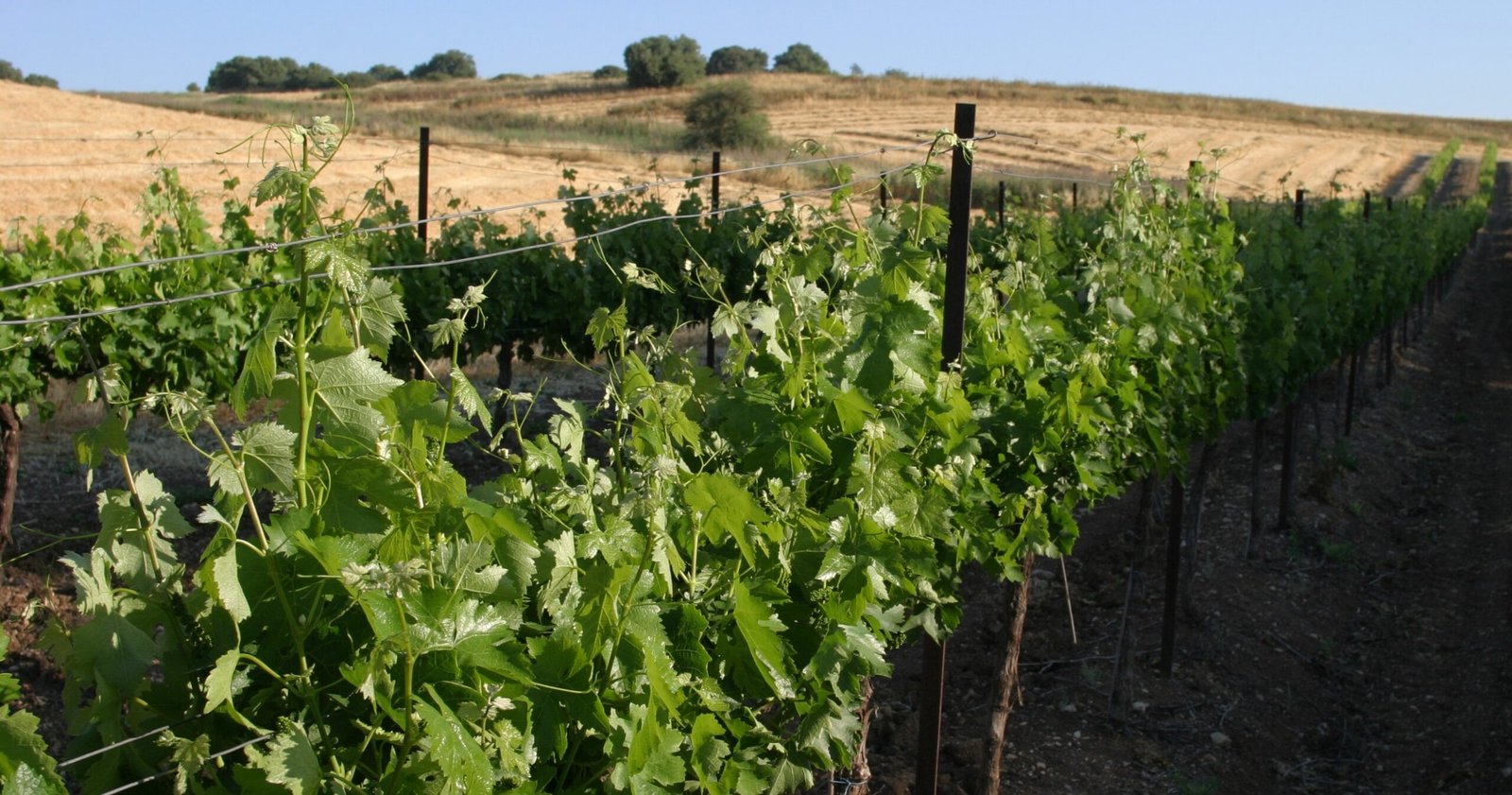
“I have loved you with an everlasting love; therefore, I have drawn you with unfailing kindness. Again I will build you, and you shall be built, O virgin of Israel! You shall again adorn yourself with tambourines and go forth in the dance of the merrymakers. Again you shall plant vineyards on the mountains of Samaria; the planters shall plant and shall enjoy the fruit” (Jeremiah 31:3-5).
If one reflects on the historical fate of Samaria, readers of the New Testament know very well that in the time of Jesus, no Jews lived in this region or cultivated vines there. Yet today, in our modern times, these ancient words are coming back to life. Jews are once again planting vineyards in the mountains of Samaria and producing exquisite wine.
Shortly before the New Year—with which Israel entered the year 5787 since the creation of the world—the British Foreign Secretary announced the intention to impose sanctions against companies operating in the “West Bank” (Judea and Samaria) and to boycott products from Israeli settlements, meaning the villages and towns located there. A growing list of countries, including France, the Netherlands, Denmark, Finland, Iceland, Ireland, Norway, Poland, Portugal, Spain, Sweden, and Canada, is considering a similar initiative or has already joined in.
Interestingly, voices from both sides agree that the economic impact of these measures will not cause major material damage. After all, at the heart of the matter, it is mostly about… wine!
The Author